
Marshmallow: A Hardy Herb with Edible Leaves, Flowers, and Roots
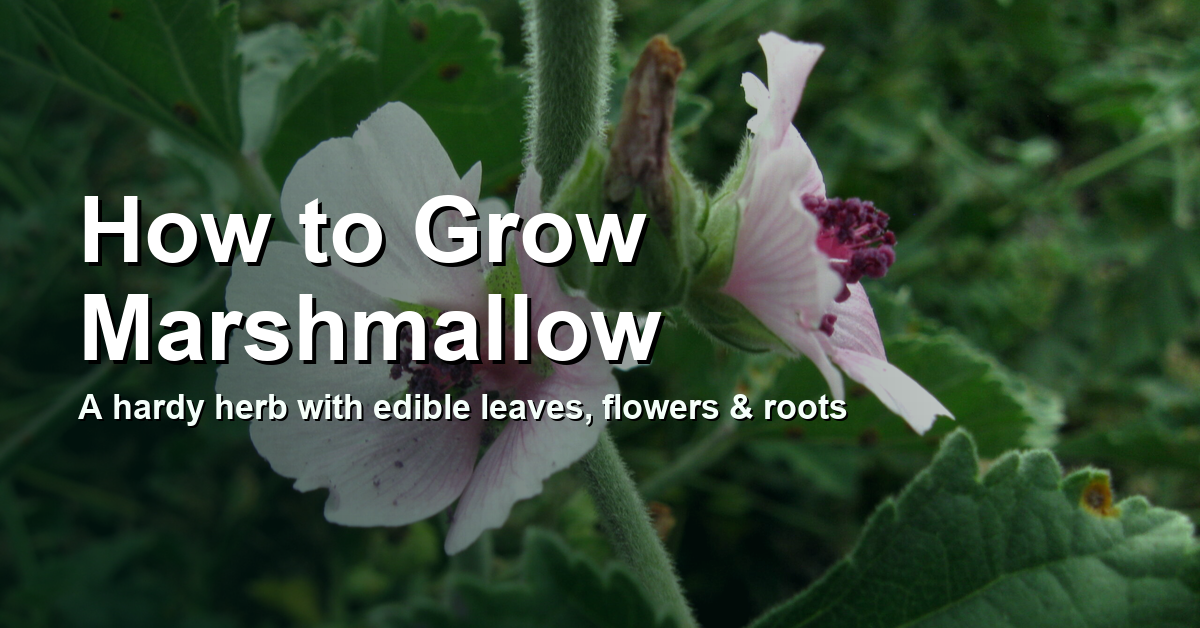
Marshmallow is a hardy perennial herb in the mallow family. It grows soft green leaves, pale pink to white flowers, and useful roots that can be harvested once the plant is well established. Marshmallow does best in full sun with consistently moist soil. You can find growing details for marshmallow in the Seed to Spoon app to help you plan when to plant, water, harvest, and save seeds.
Why Grow Marshmallow?
Marshmallow is a great plant for gardeners who want a useful herb that can come back year after year. It is also a pretty garden plant, with tall stems and gentle flowers that fit well in herb gardens, pollinator gardens, and damp spots where many herbs struggle.
Key Benefits of Growing Marshmallow:
✅ Perennial Herb – Plant it once and it can return for years in the right conditions.
✅ Edible Parts – Young leaves, flowers, and roots can be used in simple kitchen preparations.
✅ Pollinator Friendly – Summer flowers can attract bees and other helpful insects.
✅ Loves Moist Soil – A good choice for garden areas that stay evenly moist.
✅ Seed Saving – Let seed pods dry on the plant and save seeds for future planting.
How to Grow Marshmallow from Seed
Marshmallow can be grown from seed, but spring-planted seeds sprout best after a cold period. You can also direct sow outdoors in fall and let winter do the chilling for you.
1. Start Seeds Indoors or Sow in Fall
📅 When to Start Indoors: 6-8 weeks before your last spring frost, after 3-6 weeks of cold stratification.
🌱 How to Sow: Plant seeds about 1/4 inch deep in seed-starting mix.
🌡 Germination Time: 10-21 days after the cold period.
💧 Watering: Keep the soil evenly moist while seeds sprout.
2. Transplanting Outdoors
🌿 When to Plant: Move transplants outdoors after frost, or direct sow in fall before the ground freezes.
☀️ Sunlight Needs: Full sun is best, but marshmallow can handle some afternoon shade in hot areas.
📏 Spacing: Give each plant room to grow tall and wide. One plant per square foot is a good starting point.
Caring for Marshmallow
🌿 Watering: Keep soil consistently moist, especially while plants are young. Do not let container plants dry out completely.
🌱 Fertilizing: Mix compost into the planting area before planting. Feed lightly in spring with compost or a balanced organic fertilizer. Avoid too much nitrogen, which can cause lots of leaves but fewer flowers and roots.
✂️ Pruning: Remove dead stems and leaves as needed. Cut back old growth at the end of the season or in early spring.
How to Harvest and Use Marshmallow
Harvest young leaves once the plant is established. Pick flowers in summer. For roots, wait until fall of the second year or later so the plant has time to grow strong.
To eat marshmallow: Wash the young leaves and flowers. Eat a few young leaves raw, or cook the leaves like spinach in soup or stew. Wash the roots, slice them, and dry them for tea. You can also simmer sliced root in water to make a thick syrup.
Common Marshmallow Pests
Marshmallow can sometimes attract aphids, Japanese beetles, leaf miners, leafhoppers, mealybugs, stinkbugs, thrips, and whiteflies. Check the undersides of leaves often. If pests show up, remove heavily damaged leaves, spray plants with water, and use organic options like insecticidal soap when needed.
Find Marshmallow in the Seed to Spoon App!
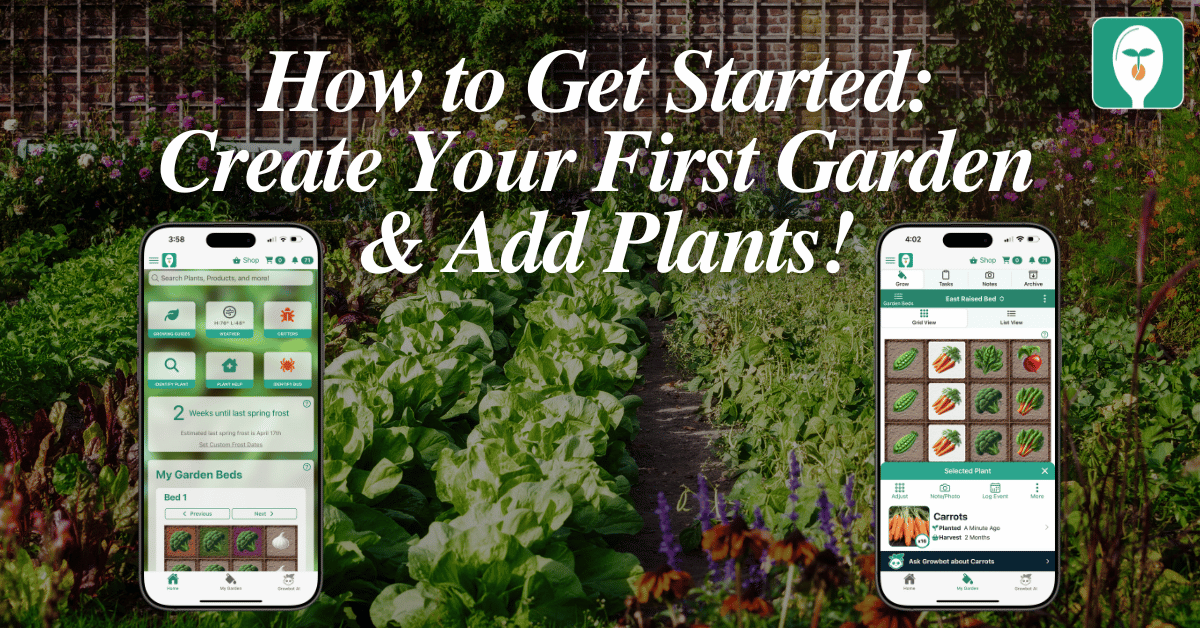
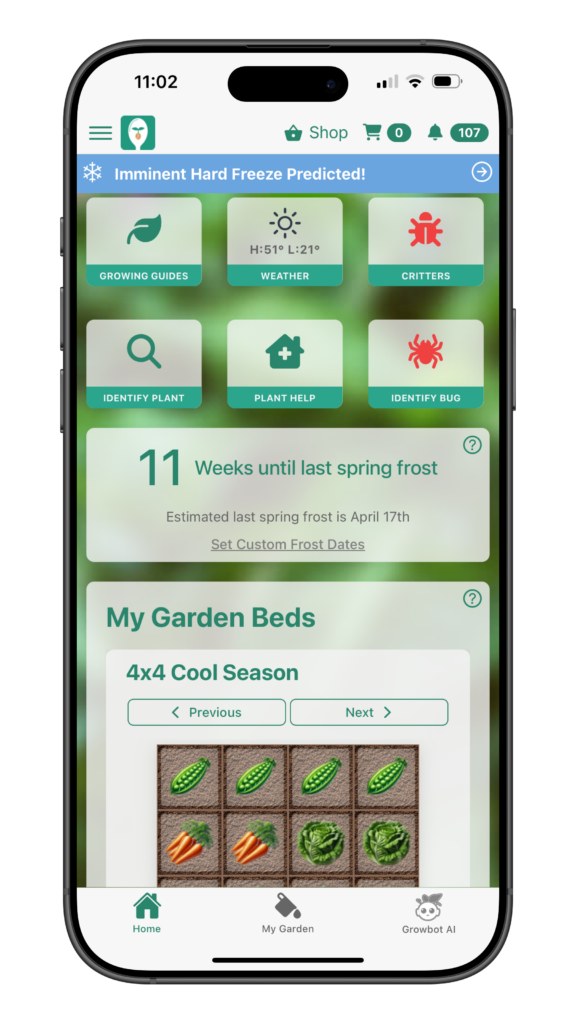
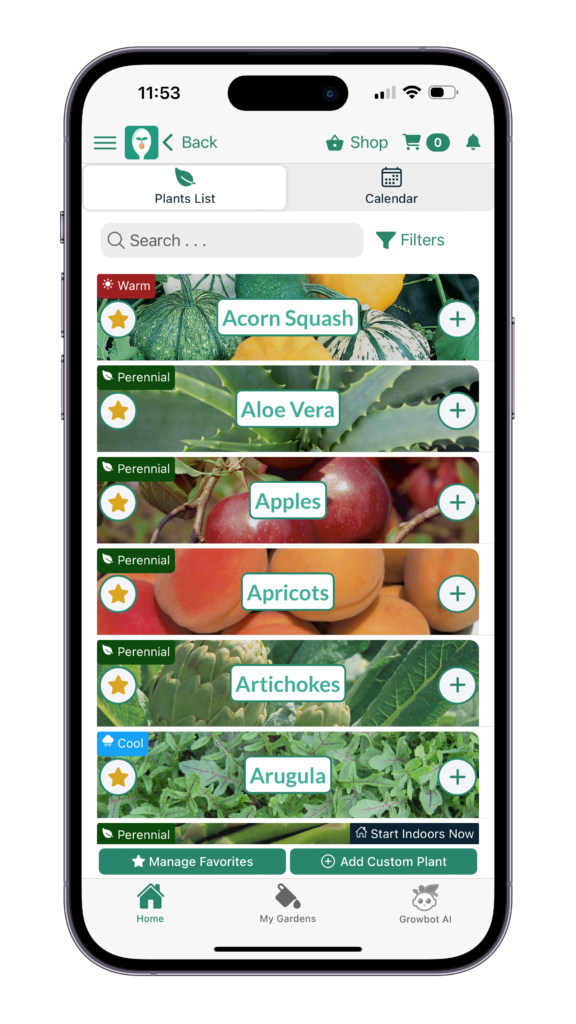
Want help remembering when to plant, water, harvest, and save marshmallow seeds? The Seed to Spoon app has the growing details you need! You can also use it to plan companion plants, track garden tasks, and troubleshoot common garden problems.
📲 Download the Seed to Spoon app today and start growing marshmallow in your garden!
Learn more about growing over 100 different foods, including how to manage various pests in our FREE iOS, Android, or new Universal Web App!



Carrie Spoonemore, co-founder of “From Seed to Spoon,” stands as a beacon of inspiration for gardeners and health enthusiasts alike. Her journey alongside her husband, Dale Spoonemore, in creating a platform that demystifies gardening and promotes a healthier lifestyle, has made a significant impact on individuals around the globe. Through the “From Seed to Spoon” app, Carrie has dedicated herself to empowering people to take control of their health and environment by growing their own food.
With a profound belief in the power of gardening to improve mental and physical health, Carrie’s contributions to the Seed to Spoon blog reflect her holistic approach to wellness. Her articles often focus on the nutritional benefits of homegrown fruits and vegetables, organic gardening practices, and the mental health benefits of spending time in nature. Carrie’s expertise in health science shines through in her detailed discussions on how specific plants can contribute to a balanced diet and overall well-being.
Carrie’s passion for gardening is deeply intertwined with her commitment to family and community wellness. She frequently shares personal stories of how gardening has brought her family closer together, offering practical tips for involving children in gardening activities and making it a fun, educational experience. Her writing encourages families to explore gardening as a means of spending quality time together while learning about nature and sustainability.
In addition to gardening advice, Carrie’s contributions to the blog include insights into the use of technology to enhance the gardening experience. She has played a crucial role in designing the “From Seed to Spoon” app to be user-friendly, ensuring that users of all ages and backgrounds can navigate the complexities of gardening with ease. Her vision for the app is not just as a gardening tool but as a vehicle for change, inspiring individuals to adopt a more sustainable lifestyle by growing their own food.
Carrie Spoonemore’s presence on the blog is marked by her compassionate approach to teaching and her unwavering belief in the transformative power of gardening. Her work continues to inspire a community of gardeners to pursue a healthier, more sustainable way of living, proving that with the right tools and knowledge, anyone can become a gardener and advocate for their health and the planet.